Digitalisation in inland navigation: how TMLG prepares crews for it
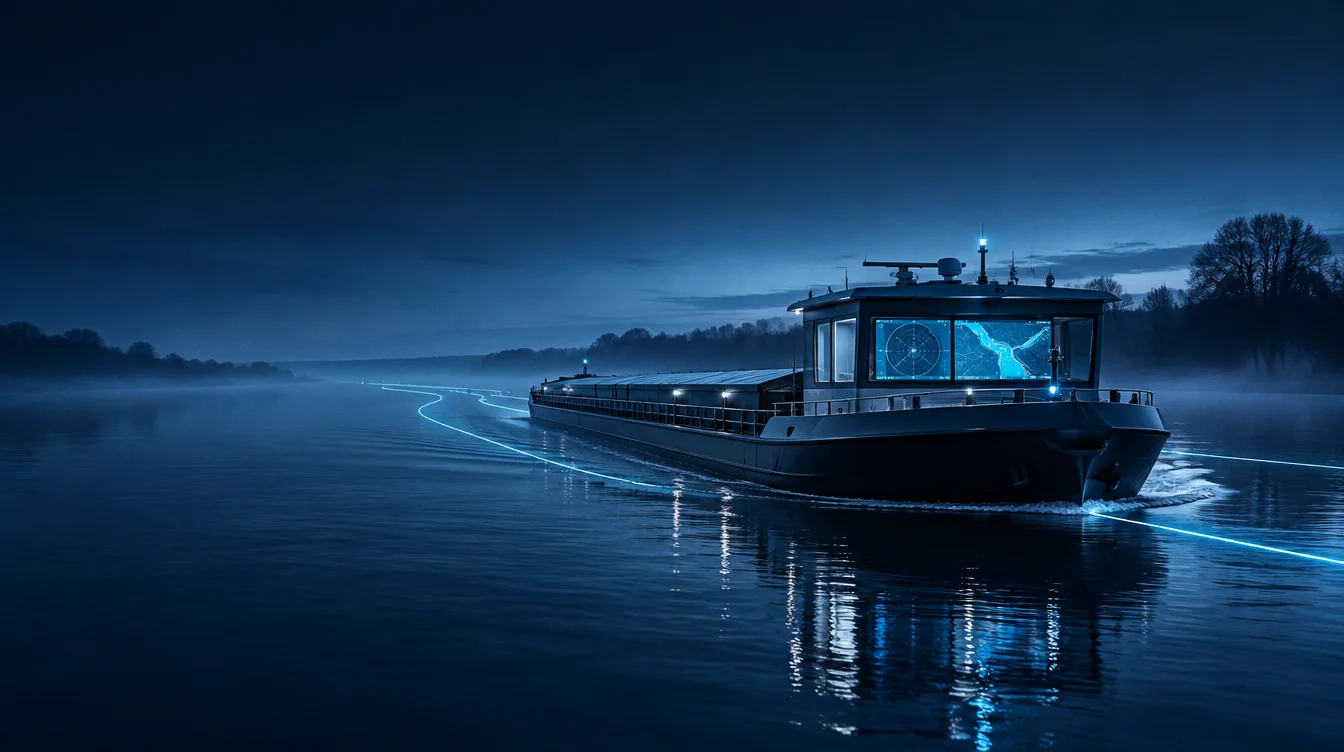
Inland navigation is one of the oldest forms of transport. Digitalisation is now changing how vessels are navigated, operated and maintained, from route planning and fuel monitoring to the way crews are trained.
TMLG works on both sides of this change. TMLG Group runs vessels and uses digital tools in everyday operation. TMLG Academy trains the people who will work with those tools on board.
What digitalisation means for inland navigation in Europe
Europe's rivers and canals are part of large EU projects on smart mobility. In practice, digitalisation brings four main changes:
- Electronic navigation (Inland ECDIS): digital charts, automated reporting and more precise route planning.
- Fuel and emission monitoring: consumption and environmental footprint tracked online.
- Automation on board: sensors, remote monitoring and predictive maintenance.
- Links to logistics systems: digital cargo documents, smart ports and real-time cargo tracking.
The aim is inland shipping that is faster, cleaner and more transparent.
Digital systems need trained crews
Digitalisation is not only about technology. It is about the people who use it. Crews have to know the new systems and use them safely, in normal operation and when something goes wrong.
That is why TMLG Academy builds digital tools directly into its training:
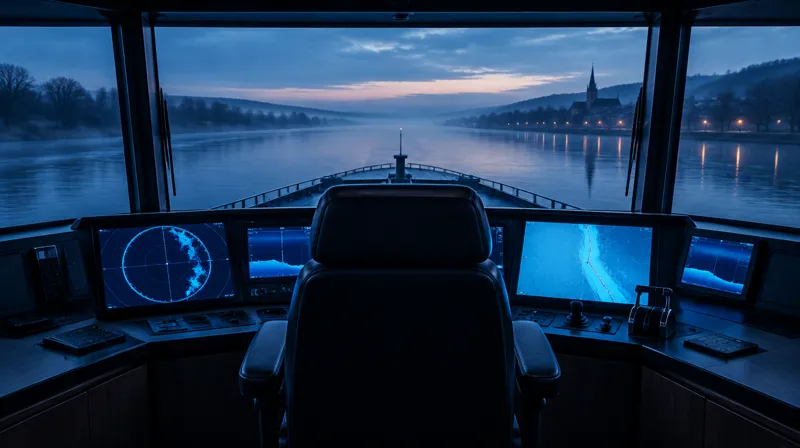
- A certified ship-handling simulator in Hlohovec and simulator classrooms in Žilina and Děčín, for realistic training with current navigation systems.
- Digital learning materials: e-learning, online tests and blended learning.
- Training with the navigation and communication software actually used on the Danube, the Rhine and other rivers.
- Simulated emergencies: digital scenarios for accidents and rescue operations.
Graduates go on board already familiar with the digital environment of modern inland navigation. You can see which courses are running on our course dates page.
Digital tools in daily operation at TMLG Group
As a shipping company, TMLG Group uses these tools in its own fleet:
- Online fleet monitoring: position, consumption and performance of our vessels in real time.
- Digital reports for customers: customers can see where their cargo is at any time, without paperwork.
- Safety and maintenance: sensors and data analysis reduce breakdowns and extend the service life of the vessels.
- Digital HR: HR processes, performance reviews and individual career development for our crews.
What it means for shipping companies and crew members
We see digitalisation as an opportunity, not a threat. TMLG Group and TMLG Academy prepare people to work with modern technology, invest in digital tools in practice and keep the traditional skills of the trade alongside them.
For shipping companies, this means crew members who already know the systems they will find on today's vessels. If you are looking for such crews, read how we train and provide crew for inland vessels and how we respond to the crew shortage in inland shipping.
For anyone thinking about the job, our article on life on a river barge shows what the work looks like day to day.
Frequently asked questions
Which digital systems do crews on inland vessels use today?
Mainly Inland ECDIS electronic charts, fuel and emission monitoring, sensors with remote monitoring, and digital cargo documents linked to ports and logistics systems.
Where can I train on a ship-handling simulator?
TMLG Academy has a certified ship-handling simulator in Hlohovec and simulator classrooms in Žilina and Děčín.
Does TMLG Academy use e-learning?
Yes. Alongside classroom teaching, it uses e-learning, online tests and blended learning.
Did you like this article? Pass it on.