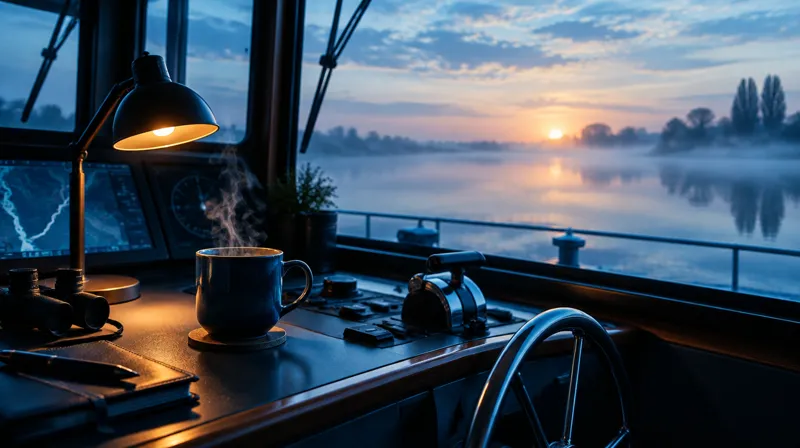
Life on a river barge: what boatmen and boatmasters really do
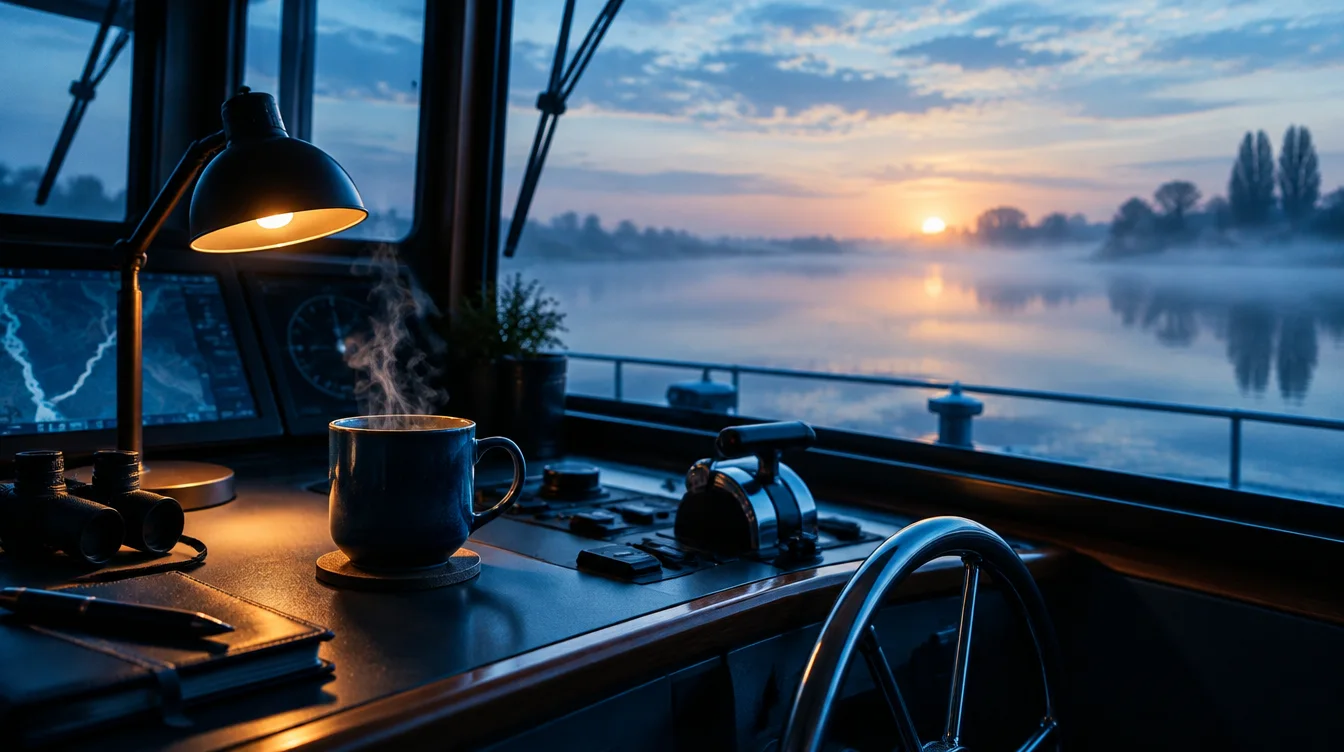
Life on a river barge has its good moments, sunrise over the Danube among them. But the job today also means digital systems, strict rules, high safety standards and pressure to perform.
So what do a boatman and a boatmaster actually do all day, and how do you prepare for it?
What a boatman does on a river barge
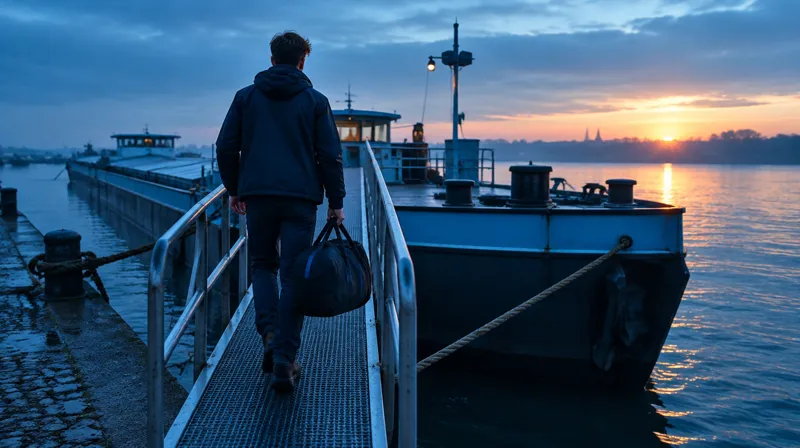
The boatman does the hands-on work on deck. A normal day includes:
- handling the ropes when the ship is made fast or cast off,
- maintenance: cleaning, painting, checking the equipment,
- helping the ship through locks,
- assisting the boatmaster with manoeuvres.
It is physically demanding work, often in bad weather. Even so, many young boatmen say they find a kind of freedom and team spirit on board that they did not find in jobs ashore.
What a boatmaster is responsible for
The boatmaster, the captain in everyday speech, does far more than steer. The job includes:
- responsibility for the safety of the ship and the crew,
- communication with ports, dispatchers, the police and customs,
- working with navigation and communication systems,
- logistics, such as the timing of loading and unloading,
- handling emergencies, from an engine failure to a crew member falling ill.
A boatmaster is the leader of the crew and its manager in one. Technical knowledge is not enough on its own: the job also takes clear communication and discipline.
Weeks on board, weeks at home
Working on a river ship means long spells away from home. Crews usually work four weeks on board and four weeks at home.
- During the rotation, accommodation and food are provided on board, and you are paid.
- The hard part is being away from your family. The crew you live with for four weeks becomes the people you rely on.
Many ships now have an internet connection, air-conditioned cabins and a shared living area. It is still demanding work with a lot of responsibility. How rotation works at TMLG Group is explained in Rotation work on ships.
The technology you work with on board
A boatmaster once relied mostly on experience and a chart. Today these are part of the everyday job:
- electronic navigation charts (Inland ECDIS),
- radar and automated reporting,
- monitoring of emissions and fuel consumption,
- digital port documents.
Boatmen and boatmasters have to be comfortable with screens and software. For younger people that is usually an advantage.
How TMLG Academy prepares you for the job
We teach what the job is really like.
- Students train on a certified ship-handling simulator in Hlohovec and in simulator classrooms in Žilina and Děčín, where they also practise emergencies. Our partner schools are SPŠ Děčín and the University of Žilina.
- Students on the training course who do not already work for another company are permanently employed by TMLG Group from the first day. They work real rotations and are paid while they train.
- Our courses cover the whole path, from basic safety training to the UNION patent exam for boatmasters.
The training course and the boatmaster courses are taught in German in Hlohovec. Basic safety training is taught in Slovak, in Hlohovec and in Děčín. If you are just starting, read How to become a deckhand.
Frequently asked questions
What is the difference between a boatman and a boatmaster?
A boatman works on deck: ropes, locks, maintenance and help with manoeuvres. The boatmaster is responsible for the ship and the crew, and deals with ports, authorities and logistics.
Do I need computer skills to work on a river ship?
You need to be comfortable with digital tools. Inland ECDIS, radar, emission and fuel monitoring and digital port documents are part of the job.
Where can I practise on a simulator?
On our certified ship-handling simulator in Hlohovec and in the simulator classrooms in Žilina and Děčín. For course details, contact us.
Did you like this article? Pass it on.